How a dewalt tools pallet Is the Preferred Option for Tool Enthusiasts
Boost Performance: The Complete Guide to Key Tools for Pallet Management
Proper pallet management is essential for optimizing supply chains. By implementing best practices and contemporary technologies, businesses can improve efficiency and reduce costs. The guide outlines essential strategies and tools that can transform pallet handling. Recognizing these elements could lead to significant improvements in inventory accuracy and warehouse organization. However, the path to achieving these benefits calls for careful consideration of numerous factors. What specific tools and practices can produce the best results?
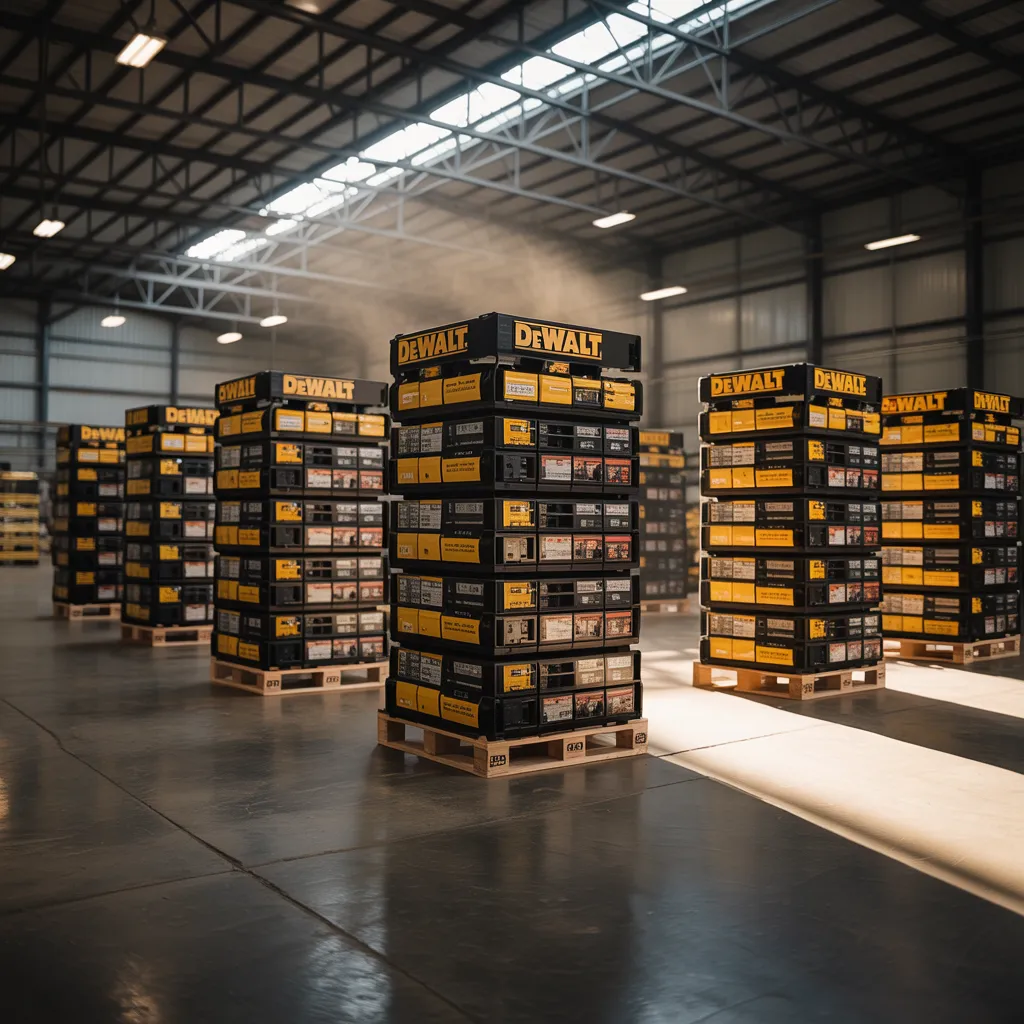
Recognizing the Significance of Effective Pallet Management
In what ways can efficient pallet management affect overall supply chain operations? Proficient pallet management holds a vital position in boosting supply chain operations. By optimizing pallet use, companies can reduce transportation costs and improve warehouse space utilization. This efficiency leads to faster loading and unloading times, minimizing delays in distribution. Moreover, effective management contributes to inventory accuracy, ensuring that stock levels are maintained without overstocking or stockouts.
Additionally, optimized pallet management can enhance product safety during transport, minimizing damage and related costs. It also cultivates better relationships with suppliers and customers by securing timely deliveries. By implementing technologies such as barcode scanning and automated tracking systems, organizations can streamline their processes and acquire real-time visibility into their inventory. Ultimately, effective pallet management not only boosts operational performance but also strengthens the overall resilience of the supply chain, situating businesses for long-term success in a competitive market.
Top Strategies for Effective Pallet Management
Implementing best practices for effective pallet management is essential for improving supply chain operations. Companies should start by standardizing pallet sizes to streamline storage and transport processes, ensuring compatibility with equipment and facilities. Consistent inspections of pallets are essential to maintain quality; damaged pallets should be repaired or replaced immediately to avoid disruptions.
Employing proper stacking practices can enhance space utilization, reducing the risk of accidents and damage. Additionally, establishing clear labeling and documentation procedures assists in tracking inventory and minimizes errors. Staff training on pallet handling and safety protocols fosters a culture of efficiency and care.
Finally, regular reviews of pallet management practices can pinpoint areas for improvement, assisting organizations respond to changing demands. By utilizing these best practices, businesses can realize greater effectiveness, reduce costs, and enhance overall productivity in their supply chain operations.
How to Track and Monitor Pallets Effectively
Efficient pallet tracking requires the integration of real-time monitoring tools and inventory management systems. These tools deliver visibility into pallet position and status, enhancing operational efficiency. By employing technology, organizations can streamline their pallet management operations and reduce losses.
Real-Time Monitoring Systems
Observing pallets in real-time improves efficiency and decreases losses in supply chain management. Real-time tracking solutions utilize technologies such as RFID, GPS, and IoT sensors to deliver accurate location data and status updates on pallets throughout the logistics process. This visibility empowers companies to rapidly identify delays, monitor conditions, and optimize routes. By incorporating these solutions into existing systems, businesses can streamline operations and make informed decisions based on real-time information. Additionally, real-time tracking minimizes the risk of loss or theft, guaranteeing that pallets are accounted for at all times. Ultimately, adopting real-time tracking solutions promotes a proactive approach to pallet management, resulting in improved resource allocation and improved overall productivity.
Warehouse Management Systems
An effective inventory management system is essential for tracking and monitoring pallets successfully throughout the supply chain. These systems help businesses to maintain exact records of pallet numbers, locations, and conditions in real time. By integrating scanning technology and RFID technology, companies can streamline their processes, making certain that pallets are easily identified and accounted for. Moreover, advanced analytics within these systems supply insights into inventory turnover rates and help identify trends, promoting better decision-making. Regular audits and updates to the system further boost accuracy, reducing losses due to misplacement or damage. Ultimately, an effective inventory management system not only improves operational efficiency but also supports better customer satisfaction through trustworthy order fulfillment.
Advantages of Automated Systems in Pallet Management
Automated solutions transform pallet management by streamlining operations and improving efficiency. These systems minimize manual labor through advanced technologies, such as barcode scanning and RFID tracking, allowing for real-time data collection and monitoring. By automating inventory processes, businesses can realize higher accuracy, reducing errors related to manual entries.
Moreover, automated solutions enable improved space utilization within warehouses, permitting maximum pallet storage. This not only optimizes storage capacity but also improves retrieval times, leading to faster order fulfillment.
Additionally, the integration of automated systems supplies valuable analytics, delivering insights into pallet usage patterns and inventory turnover rates. This data empowers organizations to make informed decisions about sourcing and stock levels.
In the end, the adoption of automated systems in pallet management leads to cost savings, enhanced productivity, and a more agile supply chain, positioning businesses for greater competitiveness in the market.
Clever Storage Solutions for Pallet Organization
While conventional storage methods have served their purpose, smart storage options for pallet management provide a transformative strategy that enhances efficiency and adaptability. These cutting-edge systems leverage advanced technology to optimize space and streamline operations. For example, automated racking systems enable dynamic storage configurations, providing more optimized pallet placement and retrieval.
Furthermore, implementing modular shelving and mobile racks can enhance warehouse space, supporting diverse pallet sizes and weights. Smart storage solutions commonly integrate with IoT devices, enabling real-time tracking and inventory management. This capacity allows businesses to track stock levels and location, reducing the time spent searching for items.
In addition, utilizing artificial intelligence can help forecasting storage requirements and improve layout according to usage patterns. By embracing these intelligent storage strategies, businesses can boost workflow, lower congestion, and improve overall productivity, setting themselves for enhanced success in the challenging landscape of pallet management.
How to Connect Inventory Management Software With Your Pallet System
Integrating inventory management software with a pallet system can greatly boost operational efficiency, as it offers real-time data on stock levels and locations. To achieve effective integration, companies should first analyze their existing pallet system and determine specific needs. Picking software that supports seamless integration is critical; options with API capabilities can streamline data exchange between systems.
Subsequently, data migration from the current inventory system to the new software should be executed with care to maintain accuracy. Training staff on the new software is essential for optimizing its benefits and ensuring proper usage.
Systematic audits and updates help sustain data integrity and system functionality. Furthermore, employing features such as barcode scanning can streamline inventory tracking and reduce human error. By executing these steps, businesses can cultivate a cohesive pallet management strategy that not only boosts visibility but also optimizes overall supply chain operations.
Examining the Costs and ROI of Pallet Management Solutions
Examining the expenses and ROI of pallet management solutions involves a comprehensive examination of multiple financial components. Detecting hidden costs is critical, as these can significantly affect overall costs. Additionally, calculating ROI metrics and comprehending long-term financial benefits can direct organizations in making informed decisions about their pallet management methods.
Recognizing Buried Expenses
Commonly overlooked, hidden costs in pallet management can significantly impact a company's bottom line. These costs often stem from inefficiencies such as mislocated pallets, unnecessary handling, and high transportation expenses. Moreover, companies may incur costs associated with damaged or lost inventory due to poor pallet tracking. Labor costs can also rise if employees spend too much time managing pallets, rather than focusing on core activities. Additionally, inadequate pallet management may lead to compliance fines or penalties linked to industry regulations. Pinpointing these hidden costs is crucial for companies striving to streamline their operations. By conducting a thorough assessment, businesses can identify areas for improvement, ultimately enhancing efficiency and profitability in their pallet management processes.
Assessing ROI Metrics
Grasping the hidden costs in pallet management sets the stage for evaluating the return on investment (ROI) of pallet management solutions. Accurate calculation of ROI requires assessing both direct and indirect costs related to pallet management. Direct costs typically include expenses for acquiring, upkeeping, and replacing pallets, while indirect costs may include labor, storage, and operational disruptions resulting from inefficient pallet handling. To relevant resource establish ROI, organizations can use the formula: ROI = (Net Profit from Pallet Management Solutions / Total Costs) x 100. This metric provides a clear perspective of financial performance. By regularly monitoring these metrics, businesses can make data-driven decisions regarding pallet management solutions, ensuring they align with comprehensive operational goals and contribute positively to the bottom line.
Long-Term Economic Advantages
Analyzing the long-term financial benefits of pallet management solutions reveals notable gains that extend beyond initial costs. Effective pallet management decreases waste and lowers labor costs, boosting overall operational efficiency. By streamlining inventory control, companies can eliminate overstocking and stockouts, resulting in improved cash flow. Moreover, the adoption of automated systems often generates lower maintenance expenses over time and can enhance the lifespan of pallets through better tracking and management. Moreover, companies that invest in robust pallet management solutions are likely to experience higher customer satisfaction due to improved delivery timelines and product availability. In the end, the return on investment becomes evident as organizations experience substantial savings and increased profitability over the long term.
Frequently Asked Questions
Which Pallet Types Are Most Commonly Used Across Industries?
Industries commonly utilize pallets such as wooden, plastic, metal, and corrugated alternatives. Each type provides distinct advantages, like durability, weight, and resistance to moisture, catering to multiple logistical and storage demands.
How Does the Weather Influence Pallet Durability?
Weather factors substantially influence pallet longevity. Extreme temperatures, humidity, and UV rays can bring about damage, deformation, or mold growth. Thus, pallets produced from certain materials may function more effectively under particular environmental conditions, ensuring durability and dependability.
What Regulations Impact Pallet Management Procedures?
Rules influencing pallet management practices include safety requirements, sustainability standards, and sector-specific standards. Conforming to these regulations facilitates suitable handling, storage, and disposal of pallets, in turn advancing workplace safety and environmental responsibility within distribution processes.
Is Pallet Recycling or Repurposing Possible?
It's possible to recycle or repurpose pallets. Many companies utilize wooden pallets for furniture, garden beds, or craft projects, while plastic pallets are often recycled into new products, encouraging sustainability and minimizing waste in industries.
How Often Should Pallets Be Inspected for Safety?
Pallets should be inspected for safety at least once every quarter. Periodic assessments confirm structural integrity and compliance with safety guidelines, aiding in avoiding incidents and preserving operational productivity in operations that rely on pallet application.